Sensory cues are said to bypass rational thought, instantly triggering emotions like trust, nostalgia, or excitement. The aim is to craft a holistic experience across brand, packaging, and products which directly taps into the brain’s reward centers to forge deep, lasting brand loyalty.
Emotions Versus Logic
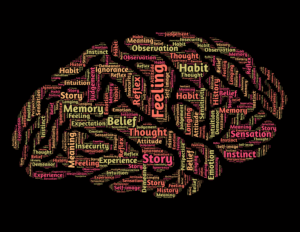
Emotions are said to drive the majority of our decisions, including purchases. Common emotional triggers include happiness, fear, urgency, or a sense of belonging or status. According to Mindreader’s “How Emotions Drive Buying Decisions: Insights for Smarter Sales,” emotions influence decisions faster than logic. But balance is also important, as the best decisions combine emotional engagement with logical validation.
“Understanding and leveraging emotional triggers can deepen client relationships and boost results,” observes Mindreader. “Start by focusing on empathy, active listening, and tailoring your approach to each client’s personality and emotional needs.”
This emotional positioning can be a core advantage in marketing effectiveness and brand building. Mindreader notes that ads with emotional content outperform rational ones nearly two-to-one.
Mindreader further observes, “Logical decision-making is deliberate and methodical. It involves identifying a problem, gathering data, and analyzing options to make a well-informed choice. This process prioritizes practical factors like price, quality, and long-term value. On the other hand, emotional decision-making relies on intuition and gut feelings—quick judgments made without detailed analysis. Ads that evoke emotions lead to better brand recall, with 81% of people remembering the brand compared to just 69% for logic-driven ads.”
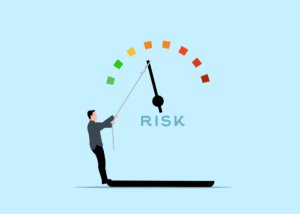
This emotional approach to marketing (and innovation) can also shape our perception of risk and reward. For instance, Mindreader notes that a product that checks all the logical boxes may still feel wrong emotionally, leading you to skip it. Conversely, an impulsive purchase that defies logic can feel entirely justified if it fulfills an emotional need.
“The most successful purchases strike a balance: an emotional spark followed by rational validation. This is why effective sales strategies begin with emotional engagement and then back it up with logical reasons to buy,” says Mindreader.
Positive emotions, fear-based triggers, and social dynamics can impact buying behavior. According to Mindreader, these might include:
- Pleasure, Joy, and Anticipation: Positive emotions like happiness and excitement are powerful tools for driving sales. When customers feel good, they’re more open to new ideas and tend to spend more than those who are unhappy. To effectively harness positive emotions, focus on delivering excellent after-sales support, creating buzz around announcements and events, and maintaining honesty and transparency in all interactions. Building trust and keeping promises go a long way in strengthening customer relationships.
- Fear, Scarcity, and Urgency: Fear-based triggers, when used responsibly, can be a strong motivator. The Fear of Missing Out (FOMO) often leads to quick decisions, as customers worry about losing out on opportunities. The key to using these triggers ethically is to be truthful about limitations, avoid manipulative tactics, and ensure that your offers genuinely deliver value. While fear and urgency drive immediate actions, social dynamics help create lasting customer loyalty.
- Social Acceptance and Status: As social beings, humans have an innate desire to belong and to gain recognition, especially when it comes to high-value purchases. The feeling of belonging validates customers and makes them feel valued. When people buy products that help them connect with a group or community, they’re fulfilling a deep emotional need. Brands that successfully foster a sense of community often enjoy stronger customer loyalty and higher lifetime value. The most effective approach combines these social motivators with authenticity and transparency.
At the Heart of Decision-Making
The FEI: Innovation Summit will be held October 5-6, 2026, at The Colorado Convention Center, Denver. The summit will be co-located with TMRE.
Marci Ruman, Global Innovation Strategist at Kimberly Clark, will present the quick take session, “Hooked on a Feeling.”
When it comes to making purchases, people don’t just think – they feel. Their emotions are at the heart of every decision, often guiding them to make purchases that align with their deeper needs and desires. But what triggers these emotions? Let’s dive into how delivering a holistic sensorial experience across brand, packaging, and product can trigger emotions that build loyalty and ignite growth. Get inspired to reimagine how your offering can consistently deliver an irresistible experience that gets people “hooked on a feeling.”
Click here for more information about the FEI: Innovation Summit
Leveraging Emotional Insights
Exploring the dynamics of emotional drivers of purchases is only the start for brand and market building. Gaining consumer insights is key to this process, including how innovators can go about developing their products. Building emotional connections with your customers, and understanding the consumer, are key tenets of this strategy. Active listening is another essential skill, plus authenticity and developing consumer empathy.
Profiling your customers’ personalities (in an ethical and responsible way) is one tactic to build emotional effectiveness into the purchase process. Mindreader notes, “The beauty of personality profiling is its ability to help you predict behavior and adapt your emotional appeals on the fly. Instead of sticking to a one-size-fits-all script, you can adjust your tone, examples, and focus to resonate with each client’s unique personality.”
Building emotional insights and designs can lead to stronger customer relationships. Tapping into emotions, from the choice of words to the design elements of the packaging, can create a competitive edge. Humans are fundamentally emotional beings. Our purchasing decisions are rarely purely rational; they are deeply influenced by how a product makes us feel. Tell that story and communicate the essence of the brand, once more with feeling, can trigger the desired emotional response—and healthy sales as a result.
Video: “The 5 Core Emotions Buyers MUST Feel Before They Say ‘Yes,’” courtesy of Alex Cattoni.